The Psychology of Cleaning: Why Tidying Helps Calm Your Nervous System
We don’t talk enough about how powerful it is to wipe down a bench.
Not as a chore, but as a form of grounding. Not as perfectionism, but as presence.
Because sometimes, cleaning isn’t about mess, it’s about making sense of the chaos inside.
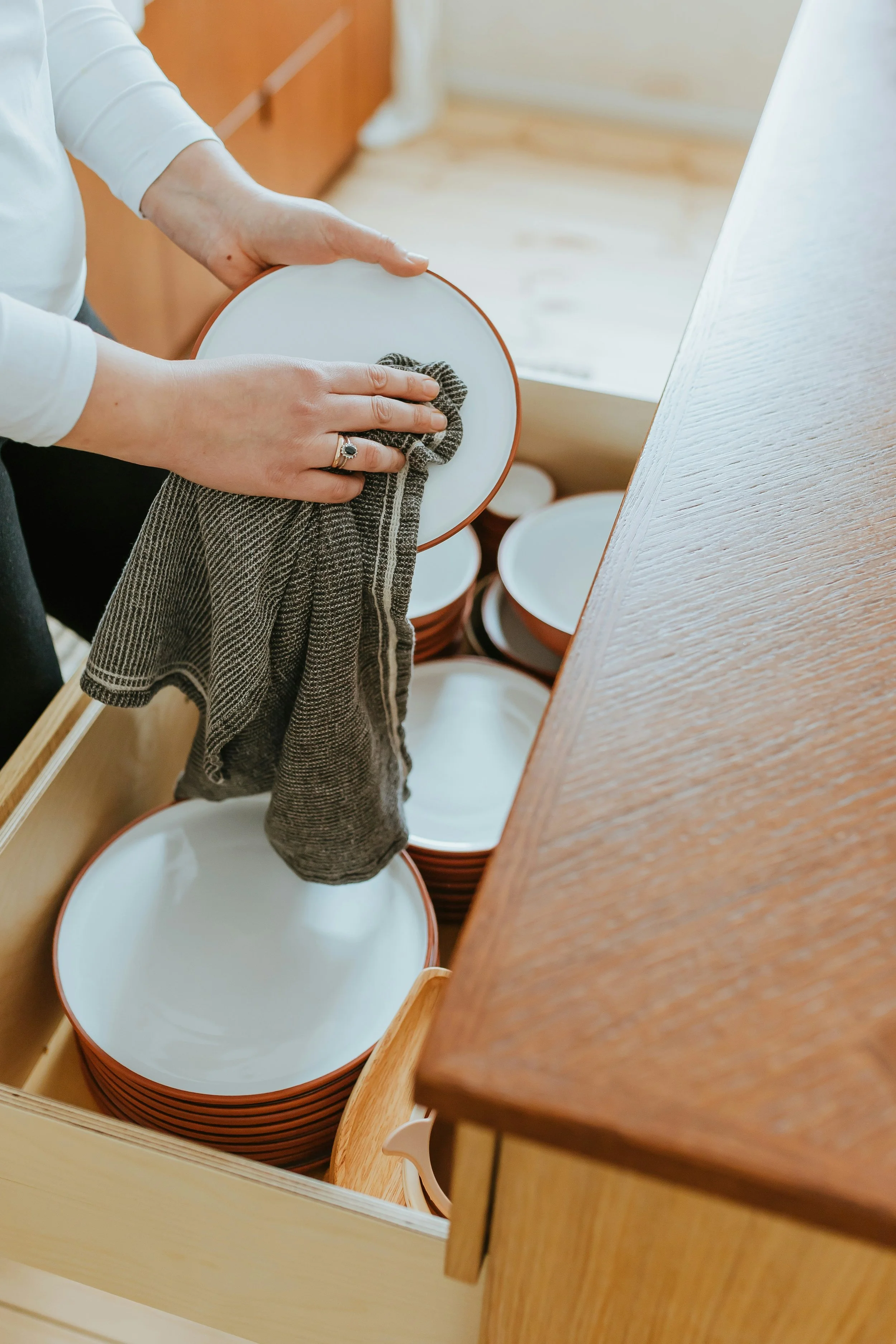
And while it might sound simple, the act of tidying or organising can be one of the most accessible, research-backed tools to regulate your emotions and re-centre your mind.
That feeling you get after decluttering a cupboard or vacuuming the floor? That lightness in your chest? That moment of relief?
It’s not just in your head, it’s in your nervous system.
When your surroundings are chaotic, your brain tends to mirror that environment. Mess increases cognitive overload and competes for your attention. On the flip side, a tidy, predictable environment can reduce stress and help restore a sense of control, especially when life feels unpredictable.
“Cleaning and organising can activate a sense of mastery and control, which is essential for emotional wellbeing, especially during times of uncertainty.”
— Dr. Jonathan Fader, Clinical Psychologist & Performance Coach
Why Cleaning Helps Regulate the Nervous System
Cleaning may not look like therapy, but it’s working with your body on multiple levels. Here's why it's so regulating:
1. It offers sensory grounding
Cleaning is a somatic (body-based) experience. It involves movement, touch, rhythm, scent, even sound. These sensory cues anchor you into the present moment, something trauma and anxiety often steal.
In polyvagal theory, these cues help shift the body from a “sympathetic” fight-or-flight state into the “ventral vagal” state, the part of the nervous system that helps you feel safe, calm, and socially engaged.
2. It reduces mental clutter
A 2011 study from Princeton University Neuroscience Institute found that physical clutter competes for your attention, decreases performance, and increases stress. In contrast, clearing your space improves focus and clarity (McMains & Kastner, 2011).
“Clutter bombards our minds with excessive stimuli, causing our senses to work overtime on stimuli that aren’t necessary or important.”
— Dr. Sherrie Bourg Carter, psychologist and author of High Octane Women
3. It satisfies the brain’s craving for control
According to The Journal of Environmental Psychology (2014), ritualised activities like cleaning provide a sense of predictability, which is especially soothing for anxious minds. In fact, researchers found that people who engage in routine domestic tasks during stressful periods experience greater emotional stability and resilience.
In a study by the University of Connecticut, participants who washed dishes mindfully experienced a 27% reduction in nervousness and a 25% increase in mental inspiration.
Cleaning as a Form of Emotional First Aid
When emotions are intense, grief, stress, burnout, anger, cleaning can become an act of self-regulation. It may not fix the problem, but it can hold you steady while you process it.
It’s not about distraction. It’s about anchoring. About saying to your body, “We’re still here. We’re doing something. We’re safe.”
“Doing something physical and repetitive like cleaning is a way of helping your body complete the stress cycle. It gives your nervous system a signal that you are active, in motion, and back in control.” — *Dr. Emily Nagoski, author of Burnout
Practical Tips: How to Use Cleaning as Regulation
You don’t need to overhaul your entire house. Start small. Use it as a tool, not a task.
The 5-Minute Tidy – Pick one surface and restore it. Let that be enough.
Sensory Reset – Clean slowly and engage your senses (feel the warm water, smell the soap, listen to the sound).
Pair it with calm – Play instrumental worship, a favourite song, or a breathing practice.
Name the moment – As you clean, say to yourself: “I’m creating peace in this space and in my body.”
Use it as reflection – Cleaning can become prayer. Presence. Pause.
Your healing doesn’t need to be dramatic. Sometimes, it’s just about clearing one corner of the chaos and finding yourself again in the process.
Cleaning can be regulation. It can be ritual. It can be recovery. Not because the mess is fixed, but because you’re reconnecting with your power to care.
To choose presence. To return to your body.
“When the world feels too much, clean something small. It won’t fix everything, but it will remind you that you’re still here, and still capable of creating peace.”


























About the Author
Sabrina is a registered psychologist, passionate about helping people build meaningful, emotionally healthy, and resilient lives. Her clinical expertise and genuine warmth bring both competence and compassion to the therapy room and the online space.
More about SabrinaShare This Article
Follow on Instagram
@the.healthymind.coDisclaimer
The information provided on this site is for psycho-educational purposes only and is not meant as a substitute for therapy, counselling, or medical care. If you require personal mental health support, please consult a professional. In case of a crisis, contact emergency services immediately.
Anyone can begin with excitement. Grit is what keeps you moving when the excitement wears off. Psychology shows that purpose and perseverance are deeply connected to wellbeing. The happiest people don’t always have the easiest lives, they’re often the ones building the most meaningful ones.